Discovering that your child has been sexually abused is one of the most devastating moments a parent or guardian can face. You may feel overwhelmed, angry, confused, and unsure about what to do next. While nothing can undo the harm, the steps you take now can play a critical role in your child’s recovery and long-term well-being.
At Swope, Rodante P.A., we have worked with families across Florida to help them support their children after sexual abuse. This guide provides key steps, resources, and legal insights to help support your child and protect their rights.
Make Sure Your Child is Safe from Further Harm
The first priority is making sure your child is safe from further harm. This may mean removing them from contact with the abuser, contacting law enforcement, or seeking emergency shelter if necessary. In Florida, the Department of Children and Families (DCF) maintains a 24-hour abuse hotline at 1-800-962-2873. Reporting is not only important for your child’s safety, but it also helps protect other children from potential harm.
Seek Medical Treatment and Emotional Care
Even if there are no visible injuries, it is important to have your child evaluated by a medical professional trained in treating sexual abuse survivors. This ensures your child receives necessary care and helps document the abuse for both legal and therapeutic purposes. In addition, trauma-informed counseling is essential. Treatments like Trauma-Focused Cognitive Behavioral Therapy (TF-CBT) have been shown to help children process trauma in healthy ways. Florida Statutes §90.5035 also protect communications with licensed sexual assault counselors as privileged, ensuring your child’s privacy.
Create a Safe and Supportive Environment
Your child may experience fear, guilt, shame, or confusion following abuse. It is critical to reassure them that the abuse was not their fault and that you believe them. Children need to know they are loved and supported unconditionally. Avoid pressing them for details or questioning their story in ways that may feel doubting. Instead, let them share at their own pace, guided by a counselor or therapist. Stability in daily routines and open communication can provide a sense of safety.
Report the Abuse (Mandatory in Florida)
Florida law requires mandatory reporting of suspected child abuse under Florida Statutes §39.201. Teachers, coaches, healthcare professionals, clergy, and many others are legally obligated to report. As a parent or guardian, filing a report ensures your child’s case is documented and investigated. Law enforcement and DCF can coordinate protective measures and begin a criminal investigation.
Document and Preserve Evidence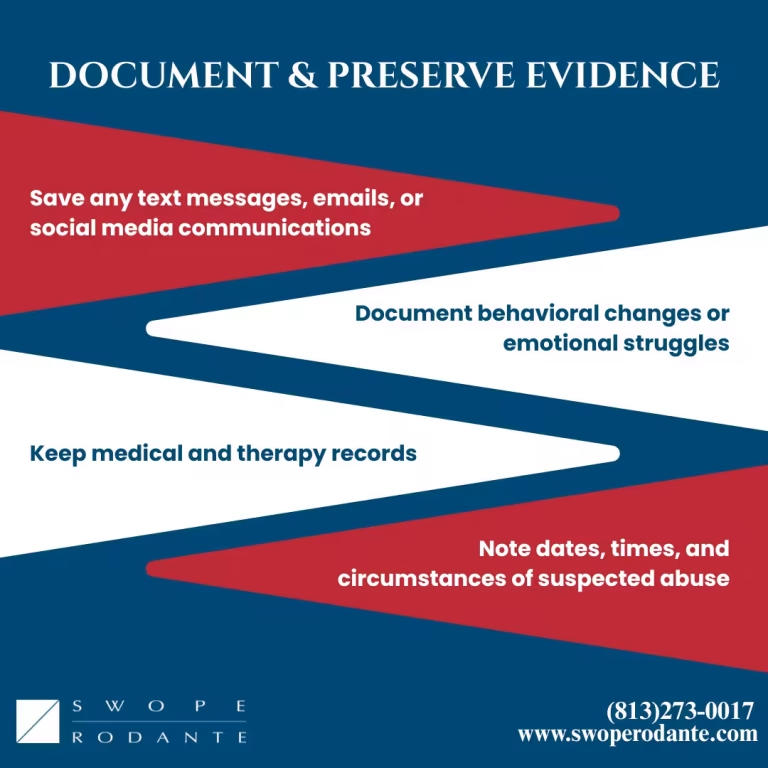
Evidence can be critical in both criminal and civil proceedings. Parents should:
- Save any text messages, emails, or social media communications
- Document behavioral changes or emotional struggles
- Keep medical and therapy records
- Note dates, times, and circumstances of suspected abuse
An experienced attorney can help preserve evidence from institutions, such as schools or camps, that may have ignored warning signs.
Civil and Criminal Legal Options in Florida
In Florida, child sexual abuse can be addressed through both criminal prosecution and civil litigation. Criminal cases are brought by the state and may result in imprisonment for the abuser. Civil lawsuits, governed by Florida Statutes §95.11, allow families to seek compensation for medical bills, counseling, pain and suffering, and other damages. Donna’s Law (F.S. §775.15(14)) ensures that criminal charges can be filed at any time for many sex crimes against children, but civil claims still have deadlines depending on the child’s age. To learn more about the civil options available including how the statute of limitations may impact options available to you and your family please call our office for those details.
Helping Your Child Heal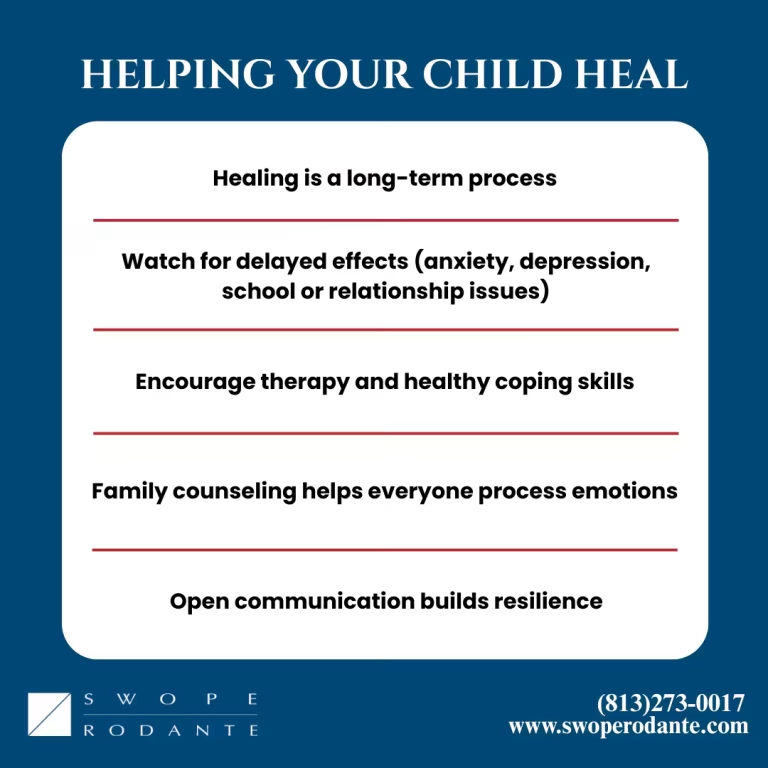
Healing from abuse is a long-term process. Survivors may experience delayed effects such as anxiety, depression, difficulty in school, or relationship challenges in adulthood. Parents play a crucial role by supporting therapy, encouraging healthy coping skills, and maintaining open communication. Family counseling may also help parents and siblings process their own emotions and strengthen the support system around the child.
How Swope, Rodante P.A. Supports Families
At Swope, Rodante P.A., we understand that child abuse cases are not just legal matters—they are deeply personal. Our Tampa-based attorneys combine legal experience with compassion, guiding families through reporting, evidence preservation, and civil litigation. We approach every case with sensitivity, ensuring children are shielded from unnecessary stress during legal proceedings. With decades of experience in Florida, we have the resources to take on powerful institutions and obtain justice for survivors.
Frequently Asked Questions
Should I confront the abuser directly?
No. Confronting the abuser can be dangerous and may interfere with criminal or civil investigations. Report to authorities instead.
Can my child’s identity be kept private?
Yes. Florida law allows survivors to proceed anonymously as Jane Doe or John Doe in civil cases.
What if my child doesn’t want to talk about what happened?
Avoid pressuring them. Instead, seek the help of a trauma-trained therapist who can provide a safe environment for disclosure.
Do I need a lawyer even if there is a criminal case?
Yes. Civil lawsuits are separate from criminal prosecutions and allow families to seek compensation that the criminal system does not provide.
Contact Swope, Rodante P.A. for a Free Consultation
If your child has been sexually abused in Tampa, Tampa Bay, or anywhere in Florida, you do not have to face this alone. Contact Swope, Rodante P.A. today for a confidential consultation with a Tampa child abuse lawyer. We will stand with your family, fight for justice, and help you access the resources necessary for healing.