If you’ve been in a car accident, neck pain can start immediately or develop in the hours and days that follow. Although a stiff neck might not seem like a serious problem at first, the force of a collision can cause damage that goes far beyond simple muscle soreness.
Even low-speed crashes can cause torn ligaments, herniated discs, compressed nerves, and fractured vertebrae. Approximately 869,000 traffic crash cervical spine injuries are treated in U.S. hospitals each year.

The pain and stiffness from a neck injury can make simple tasks difficult. Turning your head to check a blind spot, sitting at a desk, sleeping through the night, and picking up your children can all become painful or impossible.
Left untreated, many of these injuries lead to chronic pain, long-term disability, and mounting medical bills.
Seeking medical care promptly after an accident protects your health and creates the documentation you’ll need if you pursue a legal claim.
Below, we cover the most common neck injuries caused by car accidents, how to recognize the symptoms, and what to do next.
What Happens to the Neck During a Car Accident?
Your neck is a vulnerable and complex structure. The cervical spine consists of seven small bones called vertebrae, cushioned by intervertebral discs and held together by muscles, tendons, ligaments, and facet joints.
Together, these structures support the weight of your head, protect the spinal cord, and allow you to turn and tilt in every direction.
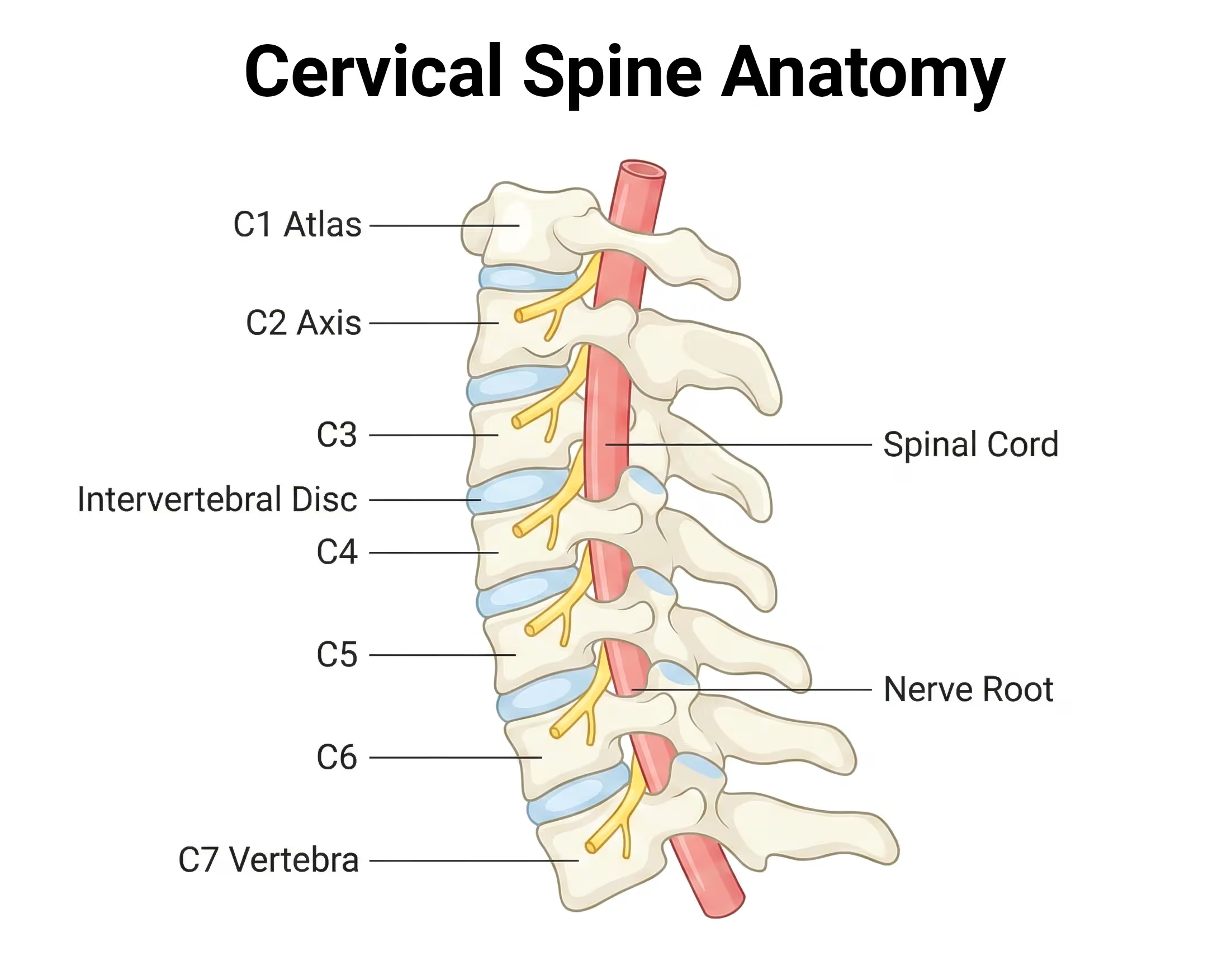
Despite its importance, the neck has very little protection during a crash. While your body is held in place by a seatbelt, your head and neck are completely unrestrained at the moment of impact. Research supported by the National Highway Traffic Safety Administration (NHTSA) has focused on understanding how these forces cause injury.
During a rear-end collision, your head snaps backward and then forward in rapid succession. Side-impact crashes force the neck sideways. Even a collision at just 5 to 10 miles per hour can generate enough force to tear soft tissue, compress nerves, or shift vertebrae out of alignment.
If you sense the collision before it happens, your muscles tense in anticipation. Tight muscles have less give than relaxed ones, which can actually increase the risk of strain during impact.
Common Types of Neck Injuries from Car Accidents
Car accidents can damage virtually every structure in the neck. These are the injuries doctors diagnose most often after a collision.
Whiplash
Whiplash is the most common neck injury from a car accident. It occurs when the head and neck jerk forward and backward in a sudden motion, stretching, straining, and tearing the muscles, tendons, ligaments, and connective tissues in the neck. According to the Mayo Clinic, the movement is similar to the cracking of a whip, which is where the name comes from.
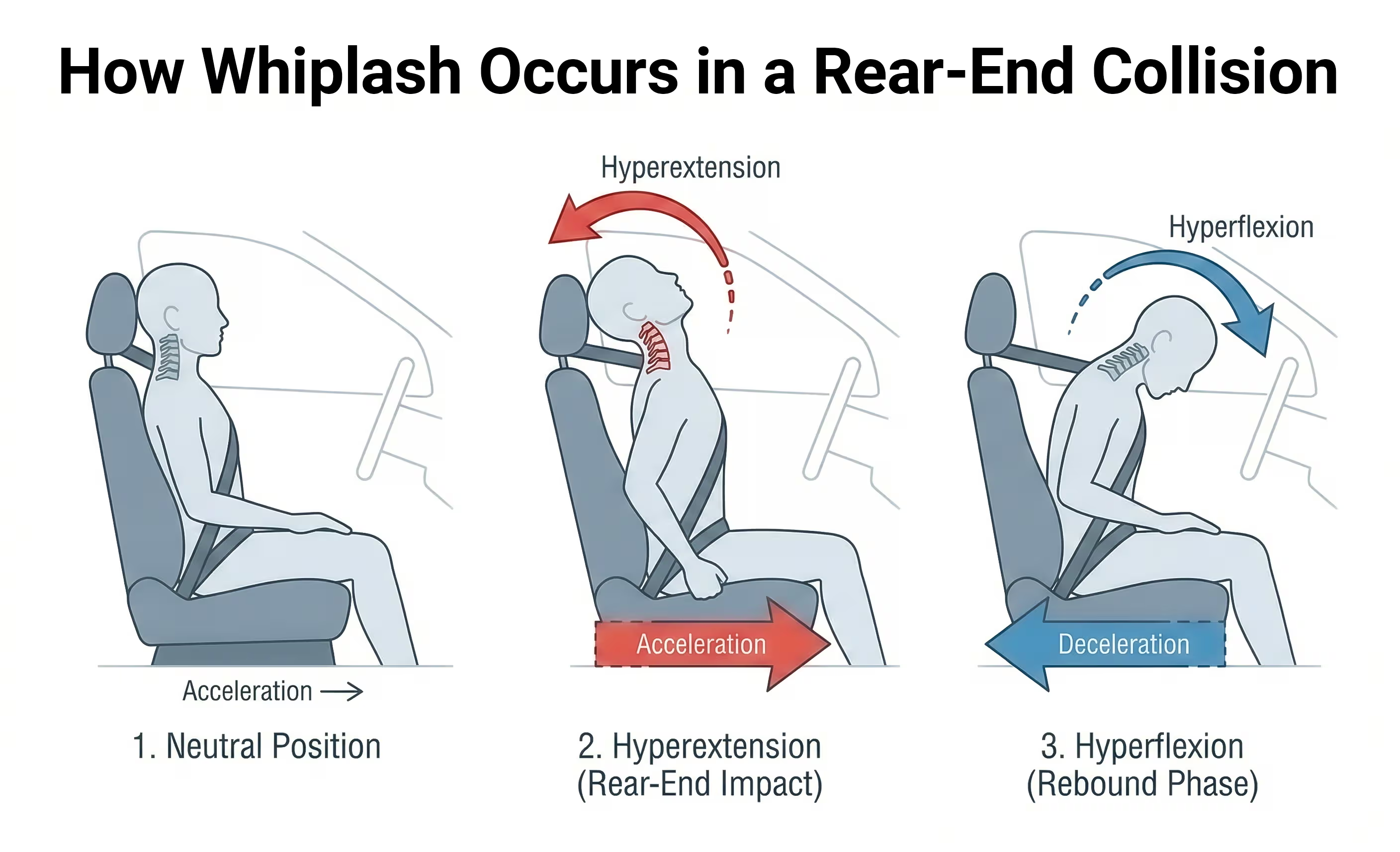
Rear-end collisions are the most common cause of whiplash, but it can happen in any type of crash. Symptoms may appear immediately or take hours to develop. With early treatment, many whiplash cases resolve within a few weeks.
A review of the clinical evidence found that early implementation of active exercise has a positive effect on pain and disability outcomes for whiplash patients.
However, some people experience chronic pain, persistent headaches, memory problems, and cognitive difficulties for months or years afterward. These lasting effects are known as whiplash-associated disorders (WAD), and they can include depression, anxiety, and difficulty concentrating at work.
Herniated or Bulging Disc
The intervertebral discs in your cervical spine are jelly-filled and act as shock absorbers between your vertebrae. The force of a collision can cause a disc to slip, rupture, herniate, or bulge out of position. According to the American Association of Neurological Surgeons (AANS), when disc material is pushed out of the annulus and into the spinal canal, it can compress nearby nerves. When a disc bulges or ruptures, the jelly-like substance inside pushes outward, crowding the vertebrae and pressing on surrounding nerves.
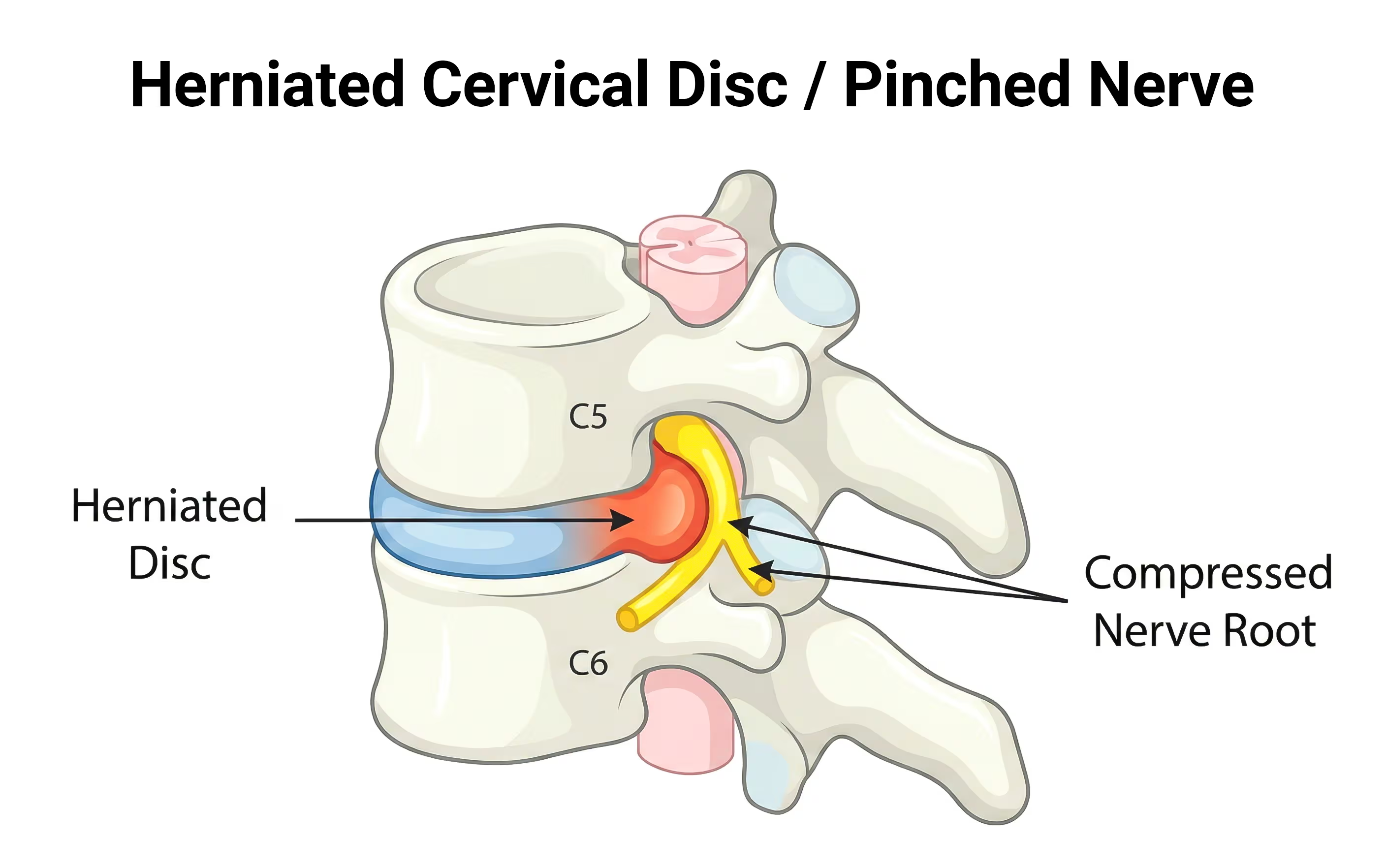
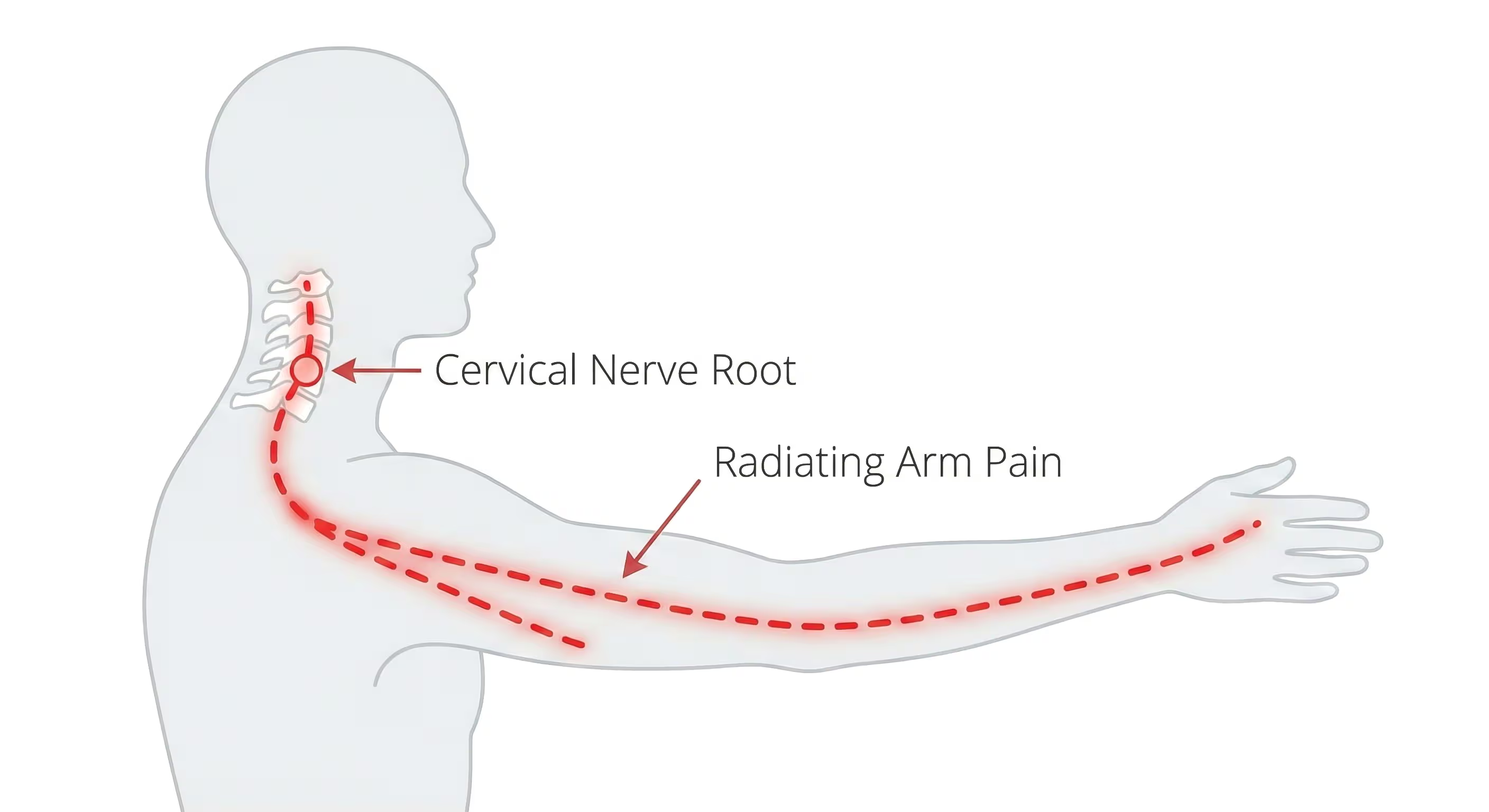
Disc injuries commonly cause pain in the neck and arms, numbness, tingling, and weakness that radiates into the shoulders, hands, and fingers. Cervical disc herniations are common in both rear-end and side-impact collisions, and the condition most frequently affects people between their 30s and 50s.
Pinched Nerve
Many neck injuries result in a pinched nerve. Damaged tissues, bones, discs, or tendons shift out of place and rub against or compress surrounding nerves.
Pinched nerves cause severe pain, tingling, numbness, or weakness that can extend from the neck down through the arms and fingers. Pinched nerves are often associated with herniated discs, muscle strains, and sprains.
Neck Sprain or Strain
Neck strains and sprains may present similar symptoms, but they involve different structures. A strain damages the muscles or tendons, which are the tissues that connect muscles to bones. A sprain involves torn or overstretched ligaments, the soft tissue that connects bones to other bones.
Both injuries cause pain when moving your head, reduced mobility, and muscle spasms. They are among the most frequent neck injuries from car accidents and can range from mild to severe.
Muscle Spasms
Muscle spasms are a common car accident neck injury symptom. They occur when your muscles tense up or become overstretched during impact, causing swelling and inflammation that affects the nerves around the muscle.
Your body attempts to protect the damaged muscles by contracting and immobilizing them. The muscles may tighten and loosen in rapid succession, causing significant pain that can radiate to the shoulders, back, and arms. Because it takes time for inflammation to build, delayed neck pain after a car accident often includes spasms.
Cervical Fracture
A cervical fracture means one or more of the seven bones in your neck is broken or cracked. This is a serious injury that requires immediate medical care. A neck fracture can damage the spinal cord, potentially causing partial or complete paralysis. In the most severe cases, a broken neck can be fatal.
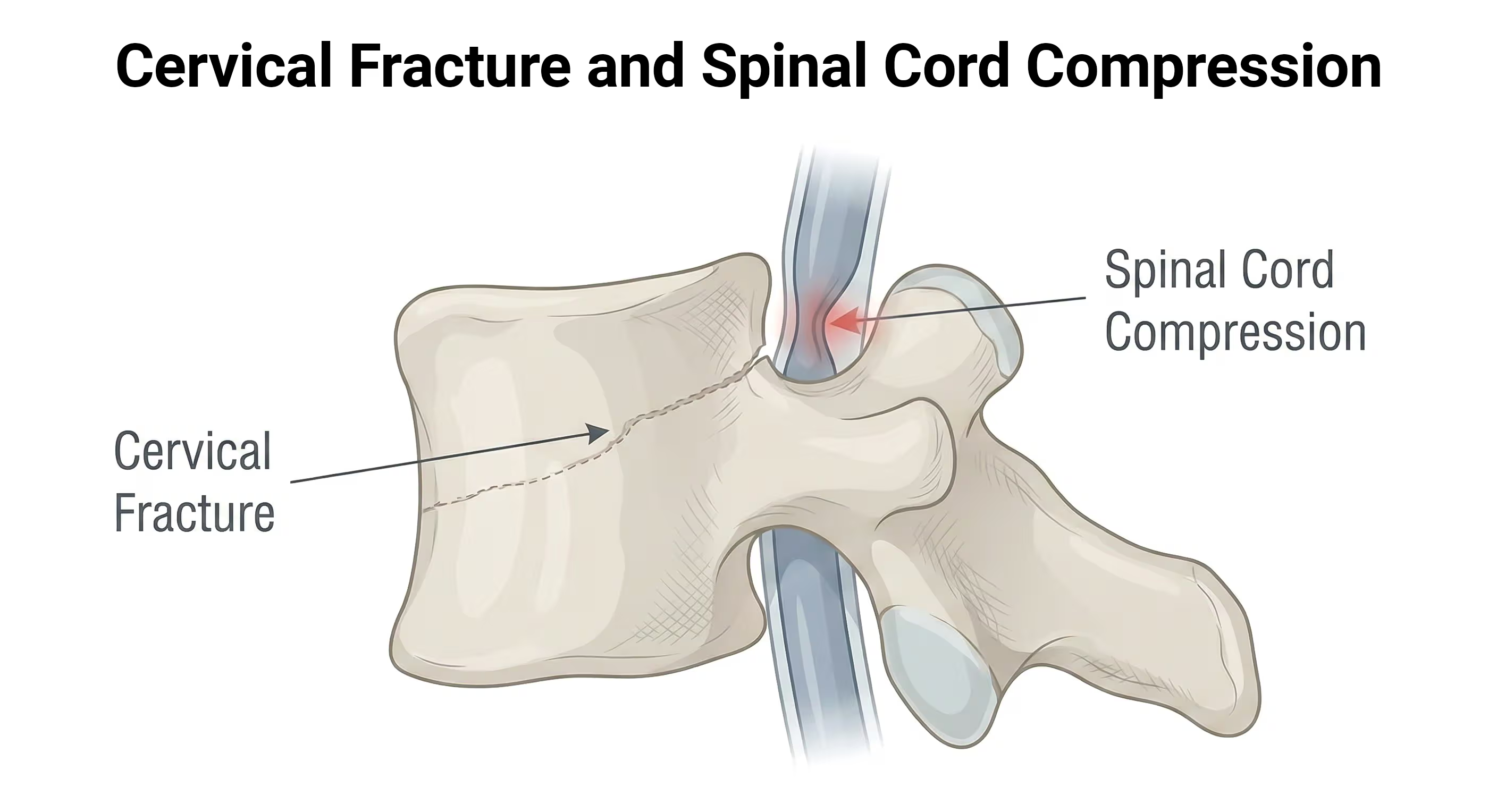
Cervical fractures typically result from high-speed or high-impact collisions. If you suspect a fracture after a crash, do not move without medical assistance. Improper movement can cause additional spinal cord damage.
Facet Joint Injury
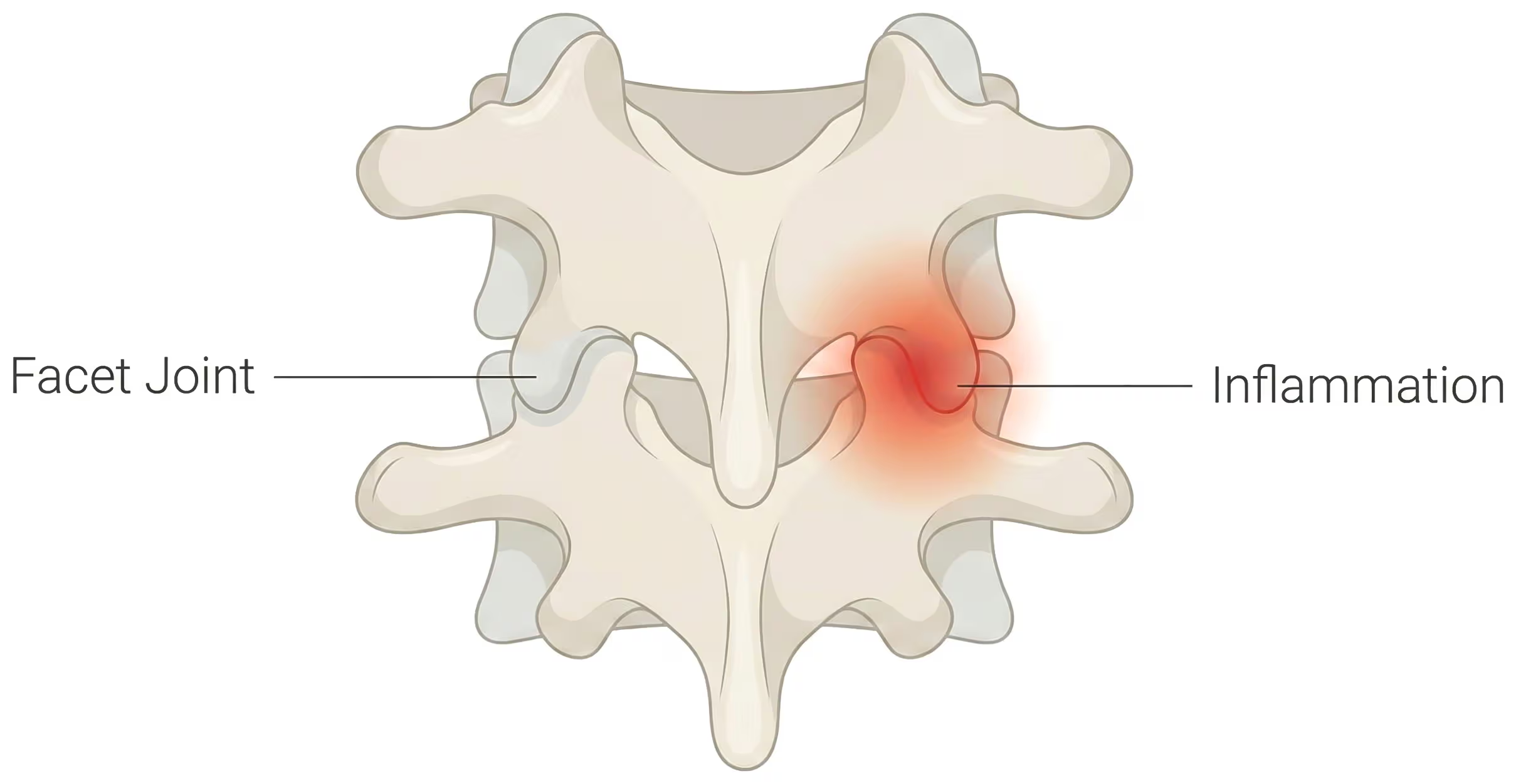
Facet joints connect the vertebrae in your neck and allow you to move your head freely. They also help stabilize the head and neck. The impact of a collision can inflame or irritate these joints, causing localized pain and stiffness. A facet joint injury may also damage surrounding ligaments, further limiting your range of motion.
Spinal Cord Injury
In the most severe crashes, the damage extends beyond the bones, discs, and soft tissue to the spinal cord itself. A spinal cord injury in the cervical region can cause partial or total paralysis below the point of injury. These injuries are medical emergencies that often require surgery and extensive, long-term rehabilitation.
Cuts and Lacerations
During a crash, broken glass, debris, or loose objects inside the vehicle can strike the neck. Superficial cuts may cause bruising and bleeding that heals relatively quickly. However, deep lacerations may require stitches and can damage the tendons and ligaments beneath the skin.
Neck Injury Symptoms After a Car Accident
After a collision, you may experience symptoms ranging from minor stiffness to severe pain and neurological problems. Common signs of a neck injury include:
- Pain or stiffness in the neck
- Being unable to turn your head from side to side
- A heavy feeling in your head or neck
- Throbbing or shooting pain
- Pain that moves to your shoulders, back, or arms
- Tingling, numbness, or weakness in your arms or hands
- Headaches, especially starting at the base of the skull
- Dizziness or nausea
- Muscle spasms in the neck area
- Difficulty falling asleep or staying focused
- Problems with memory or concentration
- Mood changes such as anxiety, irritability, or depression
- Blurred vision or ringing in the ears
- Feeling unusually tired
Not every symptom appears right away. In many cases, neck injury symptoms develop gradually over the hours and days following the accident.
Why Delayed Neck Pain After a Car Accident Is Common
One of the most dangerous aspects of car accident neck injuries is how often the pain shows up late. You may walk away from a crash feeling fine, only to wake up the next morning barely able to turn your head.
Adrenaline floods your body during and immediately after a collision, temporarily masking pain signals. Soft tissue inflammation takes time to build. Swelling around damaged muscles, ligaments, and nerves may not reach the point where it triggers noticeable symptoms for hours or even days. Some injuries, like herniated discs, may not cause pain until the displaced disc material begins pressing on a nerve.
Delayed symptoms can take anywhere from several hours to two or more weeks to appear. This is why doctors and attorneys alike recommend seeking a medical evaluation as soon as possible after any crash, even if you feel fine at the scene. Don’t ignore pain that develops after an accident, even if it seems minor. A small injury now can develop into a chronic problem if left untreated.
How Are Neck Injuries from Car Accidents Diagnosed?
Your doctor will begin with a physical examination, checking your range of motion, reflexes, muscle strength, and areas of tenderness. From there, imaging tests may be needed to confirm or rule out specific injuries.
X-rays can reveal fractures and alignment problems. An MRI provides a detailed view of soft tissue, including discs, ligaments, muscles, and nerves. CT scans are sometimes used to get a closer look at bone structures. The Mayo Clinic recommends these imaging tests to rule out fractures, disc damage, and other conditions that could worsen without treatment.
Because neck trauma can also cause concussions or traumatic brain injuries, your doctor may evaluate you for those conditions as well.
Getting a clear diagnosis early is important because it guides your treatment plan and creates medical documentation that directly connects your injury to the accident. That documentation will be critical if you decide to file an insurance claim or lawsuit for compensation.
How Do You Treat Neck Pain After a Car Accident?
Most neck injuries from car accidents respond to non-surgical treatment. For more severe injuries, surgery may be necessary. Your doctor will review your options based on the type and severity of your injury. The Mayo Clinic Health System notes that treatment plans focus on controlling pain and restoring movement so you can return to daily activities.
Non-Surgical Treatment
If you feel neck pain after an accident, your medical provider may recommend some combination of the following:
- Rest for a short period, followed by a gradual return to normal activity
- Apply ice to your neck for the first few days, then switch to moist heat after swelling subsides
- Over-the-counter pain medications like acetaminophen or non-steroidal anti-inflammatory drugs (NSAIDs)
- Prescription muscle relaxants or anti-inflammatory medication
- Short-term use of a neck brace or cervical collar
- Physical therapy to restore strength, flexibility, and range of motion
- Gentle stretching, massage, or chiropractic techniques
- Epidural steroid injections (ESI) for nerve-related pain
- Facet joint blocks or medial branch blocks
- Radiofrequency ablation for chronic pain
Surgical Treatment
For severe neck injuries, surgical treatment may be necessary. According to the Mayfield Brain & Spine clinic, common procedures include:
- Microdiscectomy: Removes herniated disc material that is compressing a nerve
- Spinal fusion: Fuses vertebrae together to stabilize the neck
- Kyphoplasty: An outpatient procedure that repairs fractured vertebrae
- Disc replacement: Replaces a damaged disc with an artificial one to preserve mobility
Your doctor will review your options and determine the best course of action to restore function and reduce pain.
How Long Does It Take for a Neck Injury to Heal?
Mild strains and sprains generally heal within a few weeks with proper rest and physical therapy. Whiplash recovery typically takes one to three months, though some people experience symptoms for much longer. More severe injuries like herniated discs, cervical fractures, and spinal cord injuries can take months of treatment and rehabilitation. Some cause permanent changes in function.
The single most important factor in recovery is getting the right treatment early. Injuries that go untreated tend to worsen over time.
Long-Term Complications of Untreated Neck Injuries
A neck injury that isn’t properly diagnosed and treated can become a chronic condition. Whiplash is often dismissed as a minor injury, but research shows that up to 50% of people who experience a whiplash injury may never fully recover, and up to 30% remain moderately to severely disabled. WAD can include chronic neck and back pain, frequent headaches, cognitive issues, and mental health problems like depression and anxiety.
Untreated herniated discs may lead to progressive nerve damage, resulting in permanent numbness or weakness in the arms and hands. Cervical fractures that aren’t stabilized can cause spinal instability and increase the risk of spinal cord injury down the road.
Chronic neck pain can negatively impact every area of your life. If you’re suffering from a long-term neck injury, you may find it difficult to concentrate at work, perform physical activities, or sleep well. Chronic pain can also be isolating and lead to emotional distress. Early treatment is the best way to prevent short-term injuries from becoming long-term problems.
What to Do After a Car Accident Neck Injury
If you’ve been in an accident and you suspect a neck injury, take these steps:
Seek medical attention immediately. Even if your pain is mild or hasn’t started yet, see a doctor as soon as possible. A prompt evaluation protects your health and creates the documentation you’ll need for any legal claim. For a broader guide on post-accident steps, see our page on what to do after a car accident.
Follow your treatment plan. Attend every appointment. Complete your prescribed physical therapy. Take medications as directed. Gaps in treatment give insurance companies an excuse to argue that your injury isn’t serious.
Document everything. Keep records of your medical visits, diagnoses, prescriptions, and expenses. Save receipts for out-of-pocket costs related to your injury, including transportation to appointments and over-the-counter medications.
Don’t accept a quick settlement. Insurance companies often make early offers before the full extent of your injuries is clear. Once you accept a settlement, you give up the right to seek additional compensation, even if your condition worsens. If the at-fault driver’s insurance won’t pay what your claim is worth, you have other options.
Talk to a personal injury attorney. An experienced car accident lawyer can evaluate your claim, handle communications with the insurance company, and help you understand the full value of your case.
Compensation for Neck Injuries from a Car Accident
If another driver’s negligence caused the crash that injured your neck, you may be entitled to compensation for your losses. Depending on the circumstances, you may be able to recover:
- Medical expenses: Emergency care, hospitalization, surgery, medication, physical therapy, and any ongoing rehabilitation related to your neck injury.
- Lost wages: If your injury prevents you from working, you can seek compensation for the income you’ve lost.
- Reduced earning capacity: If the injury limits your future ability to earn a living, you may be entitled to damages that account for that long-term loss.
- Pain and suffering: Compensation for the physical pain and emotional distress caused by your injury and recovery.
- Loss of consortium: Damages for the impact the injury has had on your relationship with your spouse.
- Out-of-pocket expenses: Costs you’ve incurred because of the injury, such as transportation to medical appointments, home modifications, or help with daily tasks.
The value of a neck injury claim depends on the severity of the injury, the cost of treatment, how the injury has affected your daily life and ability to work, and whether the damage is temporary or permanent. An attorney can help you calculate the full scope of your damages rather than accepting an insurer’s lowball offer.
At Swope, Rodante, Newsome & Steinberg, our personal injury attorneys work on a contingency fee basis, which means you pay nothing unless we recover compensation for you. If you’re dealing with a neck injury after a car accident, contact us for a free case evaluation.
References
- Estimating the Number of Traffic Crash-Related Cervical Spine Injuries in the United States – Accident Analysis & Prevention.
- Whiplash — Symptoms and Causes – Mayo Clinic.
- Whiplash — Diagnosis and Treatment – Mayo Clinic.
- Whiplash Relief and Recovery – Mayo Clinic Health System.
- Whiplash-Associated Disorder: Musculoskeletal Pain and Related Clinical Findings – Journal of Manual & Manipulative Therapy.
- Acute Whiplash Associated Disorders (WAD) – Open Access Emergency Medicine.
- Whiplash: Diagnosis, Treatment, and Associated Injuries – Current Reviews in Musculoskeletal Medicine.
- Herniated Disc – American Association of Neurological Surgeons (AANS).
- Cervical Disc Herniation – StatPearls, National Library of Medicine.
- Herniated Cervical Disc – Mayfield Brain & Spine.
- Biomechanics Research – National Highway Traffic Safety Administration (NHTSA).