 Traumatic Brain Injuries (TBI) of varying severity may result in a wide range of symptoms in the injured person. Immediately after any accident or blow to the head, medical attention should be sought if a concussion or more serious head injury is suspected. A person likely has experienced a brain injury and should be assessed by a medical professional as soon as possible if one or more symptoms are present:
- Blurred Vision
- Desire to Sleep or Abnormal Sleep Patterns
- Dizziness
- Fluid Leaking from the Nose and/or Ears
- Headache
- Impaired Memory / Confusion
- Impulsiveness / Vocal Outbursts
- Lack of Concentration
- Loss of Consciousness
- Nausea / Vomiting
- Seizures, Tremors
- Speech Impairment / Slurring
- Trouble Focusing / Concentrating
- Uneven Pupils – One Large, One Small
TBI Assessment Methodology and Screening Tools
Moderate to severe traumatic brain injuries constitute emergency situations and a patient’s condition can decline without timely assessment and treatment of the specific condition. Trauma specialists and neurologists rely on a few basic screening tools to help assess potential severity of a brain injury. Doctors or other trained medical personnel may begin a traumatic brain injury assessment using some of the following approaches and tests:
- Accident Assessment and Traumatic Brain Injury History Review: Medical personnel will want as much detail about the accident/injury as possible. At times, an injury victim may not be able to remember accident details, so supporting statements from accident scene witnesses can be very helpful. Injury assessment questions may include:
- What caused the injury?
- Did the patient lose consciousness?
- Were any changes in alertness, speaking, or coordination observed?
- On what side was the head struck (side, rear) or were any other body parts struck?
- What object hit the patient’s head?
- How far did they fall?
- Was the patient thrown, whipped around, or severely jarred in any way?
It is also important to note whether the victim has any known history of previous head injuries. Medical personnel should be advised if the patient has been previously treated for concussions or other traumatic brain injuries.
- Glasgow Coma Scale: This 15-point test that may be administered to detect the initial severity level of an injury. The test’s steps allow a doctor or health professional to check a patient’s ability to follow directions as well as move their eyes, arms, and legs. The test also gives the administrator a chance to listen to the patient’s speech coherence. Patients receive more points for following commands correctly. A higher score typically indicates a less severe head injury.
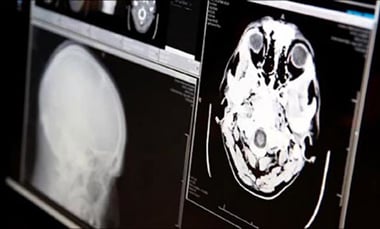
- CT scan (Computerized Tomography): Uses X-Rays to quickly visualize fractures and confirm evidence of bleeding and swelling in the brain. CT scans can be administered quickly and are used as a preview of suspected brain injuries.
- MRI scan (Magnetic Resonance Imaging): Utilizes magnets and radio waves to create a detailed, 3-D cross-section view of the brain. MRIs take longer to administer and may be used following an initial CT scan to allow doctors to see, in detail, specific areas of the brain and any localized or widespread damage.
A medical assessment should be sought out immediately, even in cases of mild injuries. Victims should not wait for symptoms to persist or worsen. New research has linked potential long-term effects and health risks to even one occurrence of an untreated/undiagnosed head injury. If damage is assessed, an appropriate treatment plan can begin almost immediately.